Top Dog Parks in Major US Cities For Exercise And Socialization
Author:Arooba
Released:November 10, 2025
Ever notice how a cooped-up dog turns into a little tornado? Chewed shoes, scratched doors, midnight zoomies, these aren't character flaws. They're symptoms of a pet who desperately needs to run, sniff, and wrestle with other dogs.
City living makes this tricky. Apartments don't come with backyards. Sidewalk walks on a six-foot leash don't cut it. That's where finding solid dog parks near me becomes non-negotiable for anyone serious about keeping their pet sane and healthy.
Good news: major cities have figured this out. The facilities being built now blow away those sad dirt lots from ten years ago. Water features, separate play zones, and actual maintenance, the best dog parks in the USA have raised the bar significantly.
Why Dogs Actually Need This Stuff
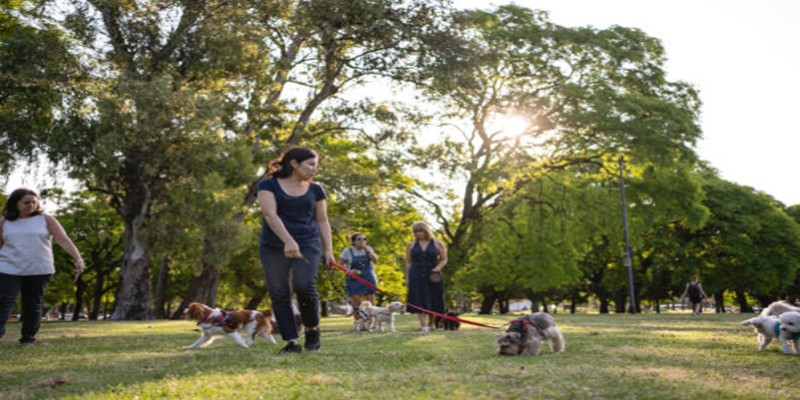
Dogs evolved to move. A lot. Breeds developed for herding, hunting, or hauling can't just switch off those instincts because they live in a studio apartment now. Without proper outlets, that energy redirects into behaviors nobody wants, barking at nothing, tearing up furniture, and lunging at other dogs on walks.
Physical exhaustion helps, but it's only half the equation. Dogs are pack animals. They need to figure out how to read other dogs' signals, when play turns too rough, and how to share space. Puppies who skip this education often become the reactive, aggressive adults that everybody crosses the street to avoid.
Mental stimulation rounds out the picture. New smells, different terrain, unexpected encounters- these experiences keep dogs sharp and engaged. Urban dog parks that offer variety beyond flat grass keep visits interesting, trip after trip.
Five Spots Worth The Drive
Prospect Park Dog Beach, Brooklyn
Brooklyn's lakefront setup deserves its reputation. The beach access alone sets it apart; most city dogs never get to swim. Multiple fenced dog areas split by size prevent the typical chaos of tiny breeds getting steamrolled by overexcited labs.
Subway-accessible location eliminates the parking nightmare that plagues most urban dog parks. Saturday mornings hit peak energy if the goal is maximum socialization.
Fort Funston, San Francisco
Coastal cliffs meet off-leash heaven here. Miles of trails, dunes for scrambling, ocean views that don't quit. The space runs massive, which means dogs with shaky recall probably aren't ready yet. But for well-trained pets? Hard to beat. The coastal fog keeps temperatures comfortable when inland cities hit triple digits. Locals don't exaggerate when they call it one of the best dog parks in the USA.
Montrose Dog Beach, Chicago
Lake Michigan provides the backdrop for one of the Midwest's busiest spots. The separated sections actually work; small dogs get their own zone away from the 70- pound retrievers doing cannonballs into the water. Parking becomes a blood sport on summer weekends. Show up before nine or prepare to circle. The community vibe runs strong here. Regulars know each other's dogs by name.
Magnuson Park, Seattle
Nine acres of variety. Beach, fields, wooded trails, all in one location. Rain doesn't shut it down, which matters in Seattle. The size prevents that cramped feeling even when attendance runs high. Different zones form naturally throughout the day. High- octane dogs claim the open field. Older, calmer pets stick to shaded paths. It's self- sorting in the best way.
Red Bud Isle, Austin
Texas summers demand water access. This peninsula delivers with shallow lake entry right from the fenced areas. Enough trees for shade without losing the open feel. The regular crowd here maintains standards; they'll politely correct someone whose dog is causing problems before staff needs to intervene. Good model for how community self-policing should work at dog parks near me.
The Unwritten Rules That Matter
Great facilities mean nothing if half the people there act like idiots. Dog park etiquette isn't complicated, but it gets ignored constantly.
Eyes stay on the dog. Period. That Instagram photo can wait. Most fights start because owners missed the warning signs, stiff body language, raised hackles, and mounting behavior. Catching it early prevents the bite that gets someone's pet banned.
Pick up waste immediately. Not in five minutes. Now. Doesn't matter if it's in the bushes or far from the path. Other dogs step in it, roll in it, eat it. Disgusting and preventable.
Recognize when a dog needs out. Excessive panting, tucked tail, hiding behind legs, these signals stress, not shyness that'll pass. Forcing them to "push through it" creates lasting anxiety. Some days just aren't park days, and that's fine.
Gates matter. Both of them. The double-gate system exists because dogs are escape artists. Enter completely through the first gate, close it, then open the second. Takes ten extra seconds. Prevents the sprint into traffic.
Leave toys at home. They trigger resource guarding faster than anything. Even friendly dogs turn possessive over that squeaky ball. Most fenced dog areas ban them anyway.
Making It Work
Short first visits build positive associations. Twenty minutes max. Leave while things are still going well, not after something goes wrong.
Daily visits sound good in theory, but can backfire. Overstimulation is real. Three times weekly often hits the sweet spot better than seven marathon sessions.
Time of day changes everything. Tuesday at 10 AM brings a completely different crowd than Saturday at 2 PM. Anxious dogs do better with smaller morning groups. Social butterflies thrive in weekend chaos.
Match the park to the personality. Shy rescues need quiet neighborhood spots during off-hours. Confident young dogs want the action at popular urban dog parks on busy days. Senior pets appreciate mellower crowds with age-appropriate playmates.
Check recent reviews before trying somewhere new. Maintenance quality, crowd behavior, and safety issues all change faster than most websites update. Local Facebook groups share real-time intel about specific dog parks near me.
Finding Your Dog's Perfect Spot
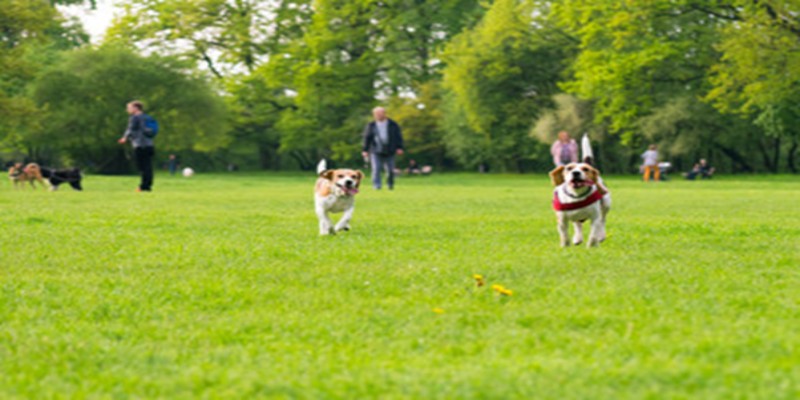
Access to quality spaces changes everything about urban pet ownership. Dogs get to be dogs instead of house decorations that occasionally see sunlight. The physical benefits matter: weight control, muscle tone, and cardiovascular health. The mental and social payoffs matter more.
Cities building these facilities understand they're creating community hubs, not just pet amenities. Neighbors meet. Friendships form. People actually talk to each other instead of staring at phones.
The right spot exists somewhere nearby. Maybe it's the famous beach park across town. Maybe it's the small neighborhood spot three blocks away that stays under the radar. Finding it requires some trial and error, but the payoff shows in a happier, healthier, better-adjusted pet.
Skip the sad dirt lot with the broken fence. The best dog parks in the USA have shown what's possible when cities take this seriously. Dogs deserve that level of quality. So do the people who love them.
Related Posts

The Best Ways to Introduce a New Litter Box to Your Cat

Dog Ear Cleaning: A Simple Guide for Healthy Pets

Why Dogs Get Hot Spots and What Pet Owners Should Know

Joint Supplements for Senior Dogs: Benefits and Choices

How to Host a Safe and Stress-Free Backyard Pet Party